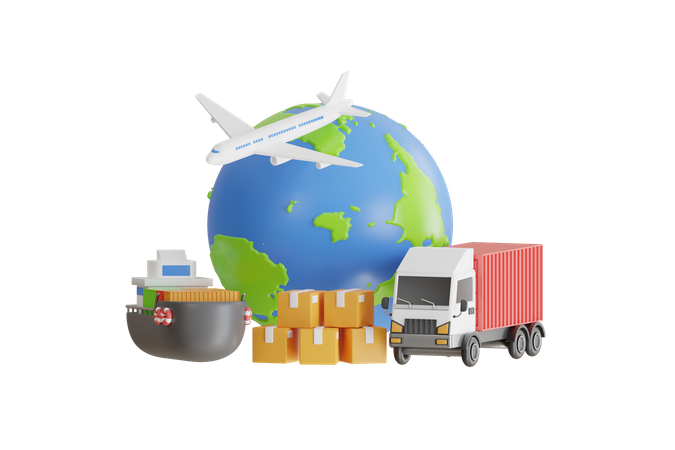
Modern logistics networks require real-time visibility, intelligent planning and rapid decision-making across transportation, warehousing and fulfilment. BINARIS develops AI-powered logistics solutions that optimise routing, automate operations and improve supply-chain performance from origin to destination.
Logistics operators manage complex, time-sensitive networks where delays, fragmented data and limited visibility increase costs and disrupt service. Growing delivery volumes, fluctuating demand and interconnected transport and warehouse operations make efficient planning increasingly challenging.
Multi-leg global networks create coordination challenges that are difficult to manage manually.
Fragmented data across carriers and systems makes end-to-end tracking unreliable.
Fuel, labour and last-mile delivery costs continue to increase with growing demand.
Large inventories and manual processes make accurate stock tracking difficult.
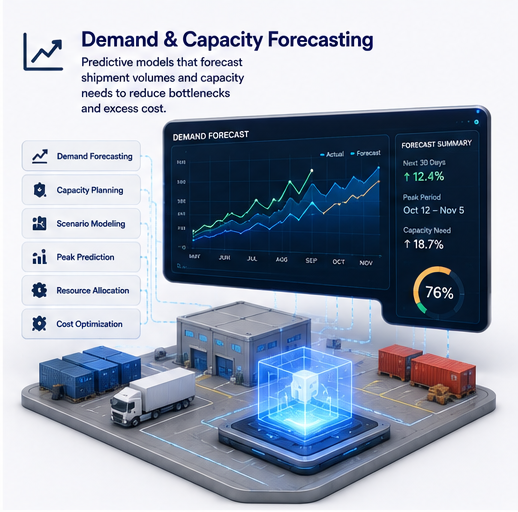
Predictive models that forecast shipment volumes and capacity needs to prevent bottlenecks.
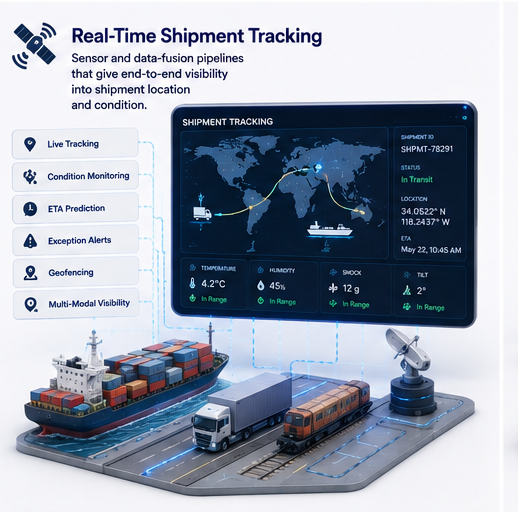
Sensor and data-fusion pipelines that give end-to-end visibility into shipment location.
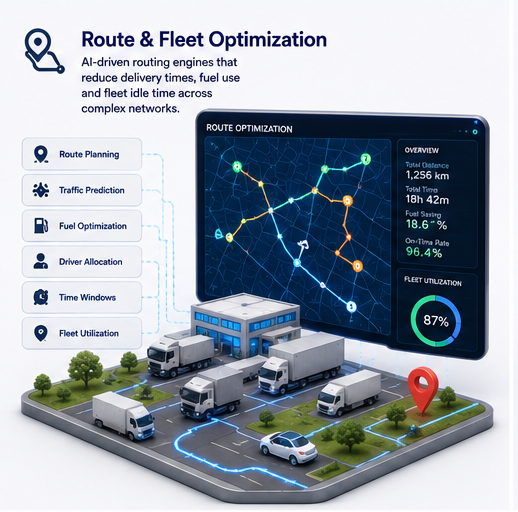
AI-driven routing that reduces delivery times, fuel use and fleet idle time across networks.
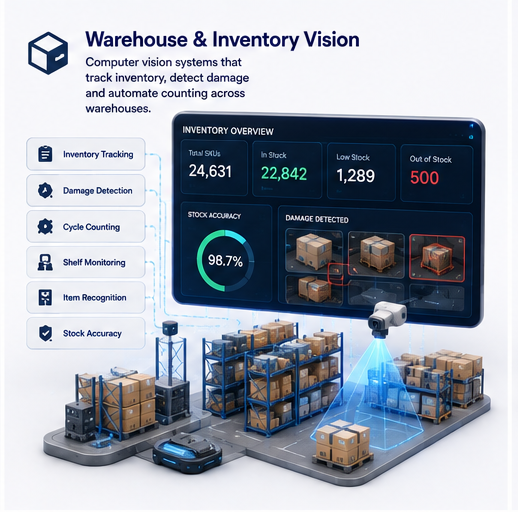
Computer vision that automates inventory counting, damage detection and picking accuracy.
Predictive visibility helps operators anticipate disruptions and respond faster.
Optimised routing and scheduling reduce transit times and improve on-time performance.
Reduce fuel waste, labour inefficiency and handling errors across the supply chain.
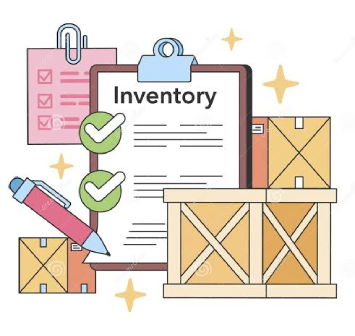
AI-powered warehouse vision eliminates manual counting errors and stock discrepancies.
An overview of the logistical challenges where our AI, vision, and engineering software deliver the most significant gains in operational efficiency and supply chain visibility.
AI-driven routing engines that reduce delivery times, fuel use and fleet idle time across complex networks.
Computer vision systems that track inventory, detect damage and automate counting across warehouses.
Predictive models that forecast shipment volumes and capacity needs to reduce bottlenecks and excess cost.
Sensor and data-fusion pipelines that give end-to-end visibility into shipment location and condition.
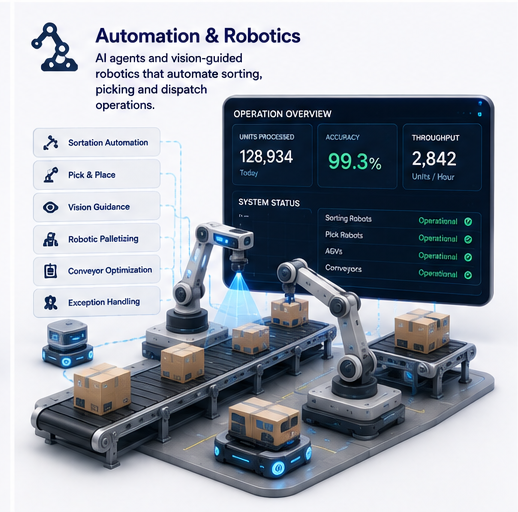
AI agents and vision-guided robotics that automate sorting, picking and dispatch operations.
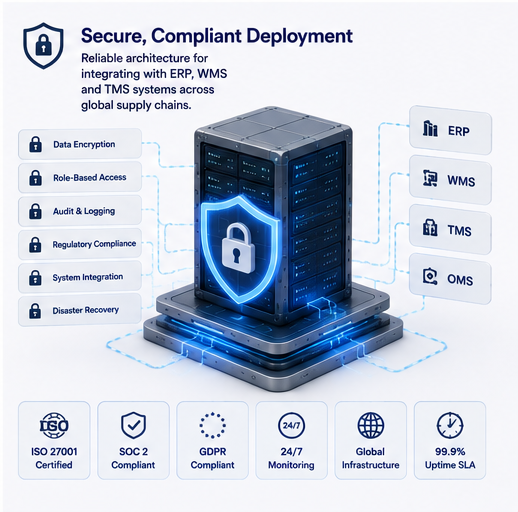
Reliable architecture for integrating with ERP, WMS and TMS systems across global supply chains.
Tell us about your routing, warehouse or visibility challenge — our team will get back to you within one business day.
Talk to Our Team